
Randlab Matamata Horse Trials
Done. I edited all the photos from the Matamata Equestrian Trials a weeks from the shoot and ended up keeping 703 images from 2000 taken at the event. These 703 photos I kept and edited are not all fantastic shots. I usually err on the side of conservatism and even creative generosity and keep shots average shots because they help me remember the event better. And maybe, just maybe, the passage of time might help me see the hidden magic of these shots, if they exist.
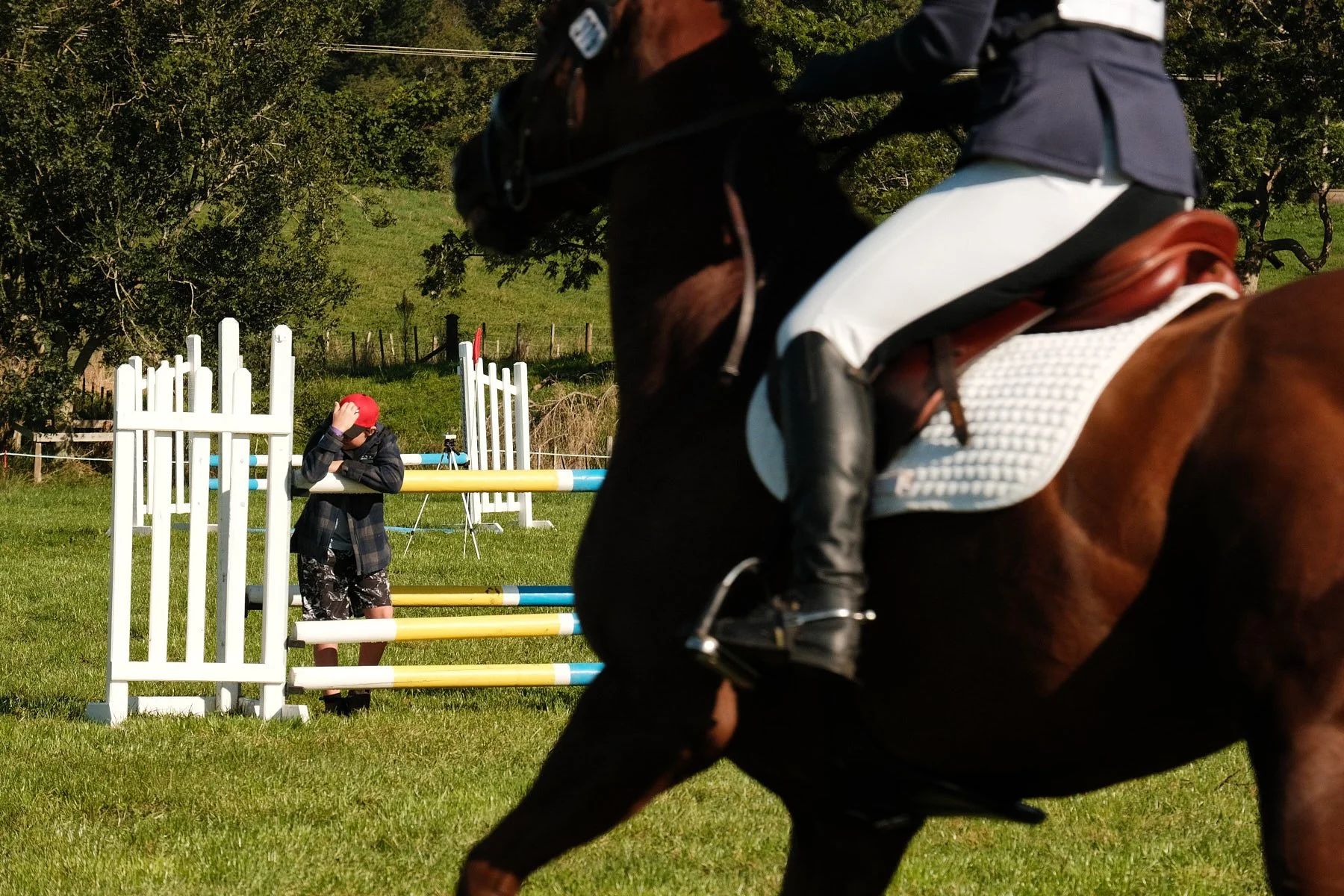
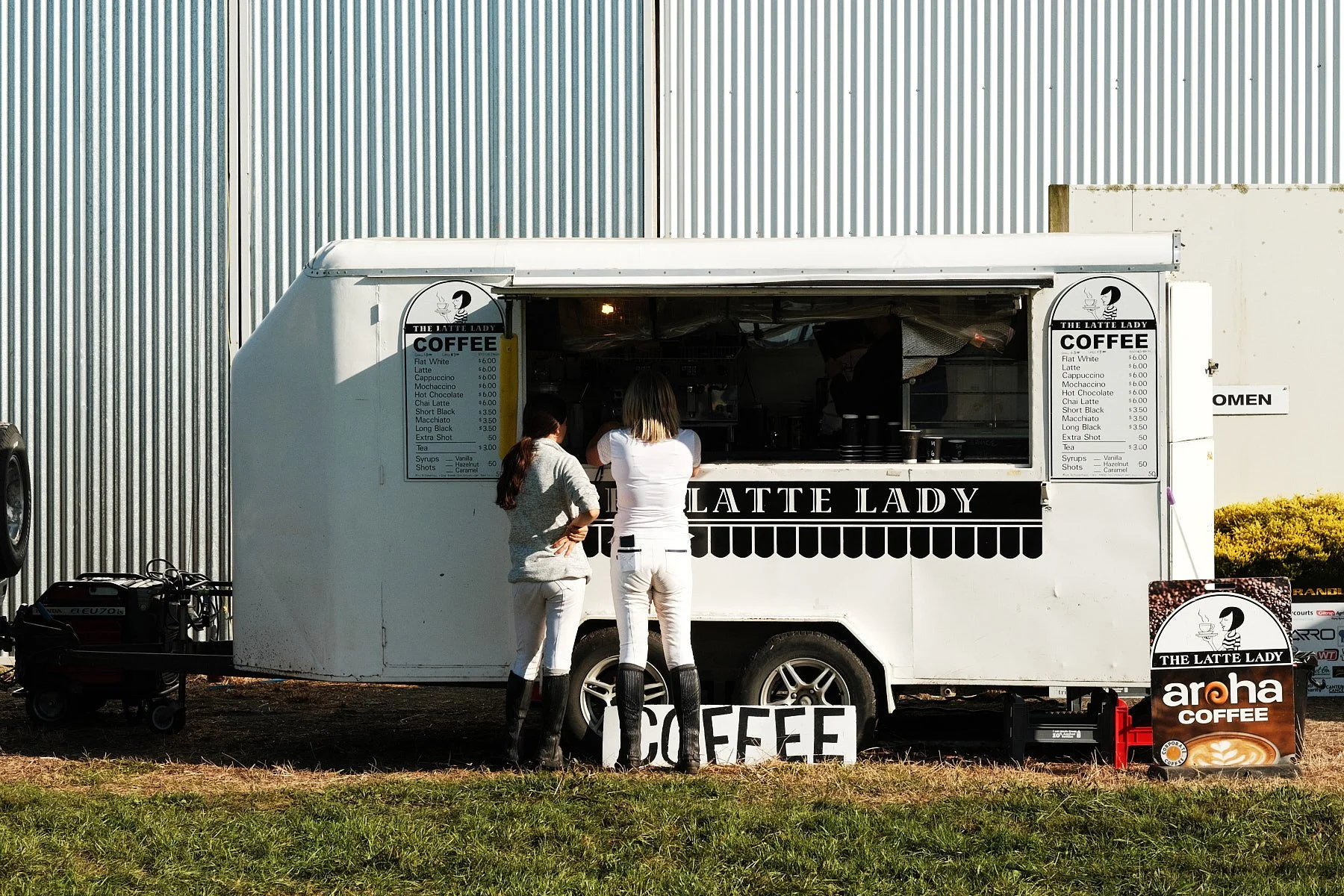
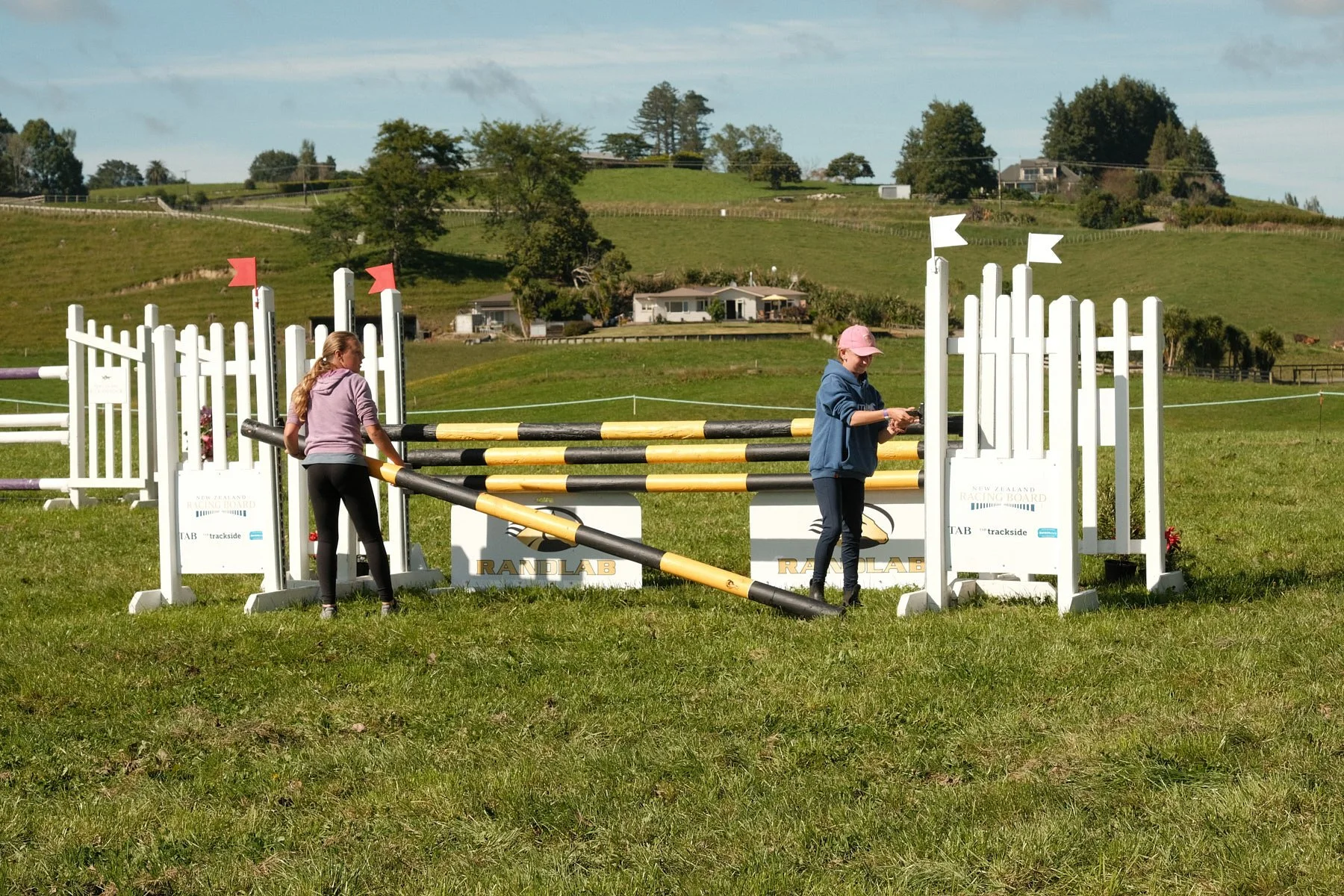
Of the 703, there are 3 or 4 images that I’m proud of. Surprisingly, these images are not of the riders and their horses. Rather, they are images of things that happen at the venue as people prepare for the competition.
I took a lot of photos of riders and their horses across the three eventing components, Dressage, Show Jumping and Cross Country. It is incredible to witness women of different ages unite with their horses to achieve amazing feats of control, co-ordination and strength. But as amazing as the jumps over obstacles are, I struggled to find the right composition. I shot primarily with a 50-200mm lens but my inexperience with equestrian photography meant that I did not know what to expect and what to look out for in composition.
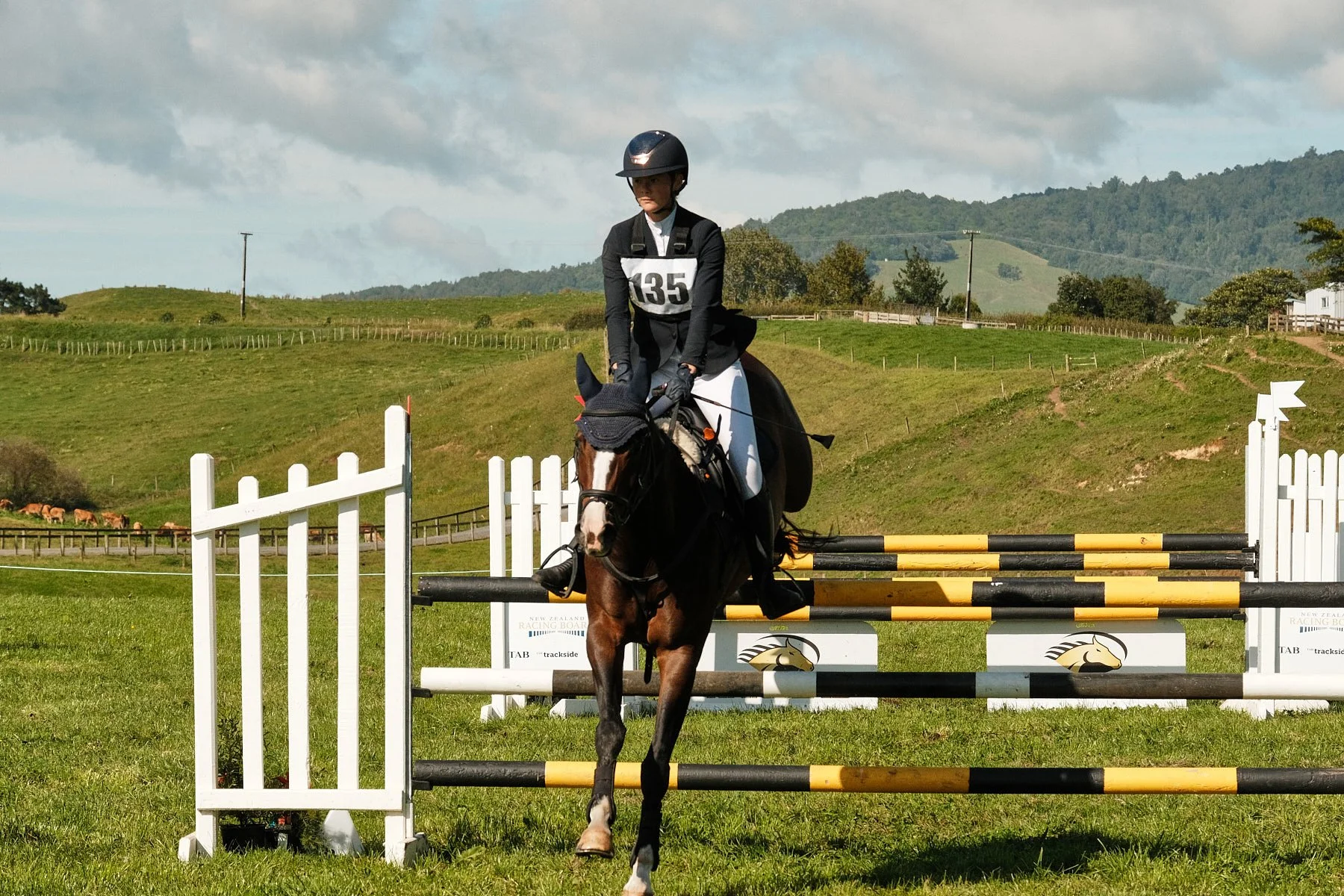


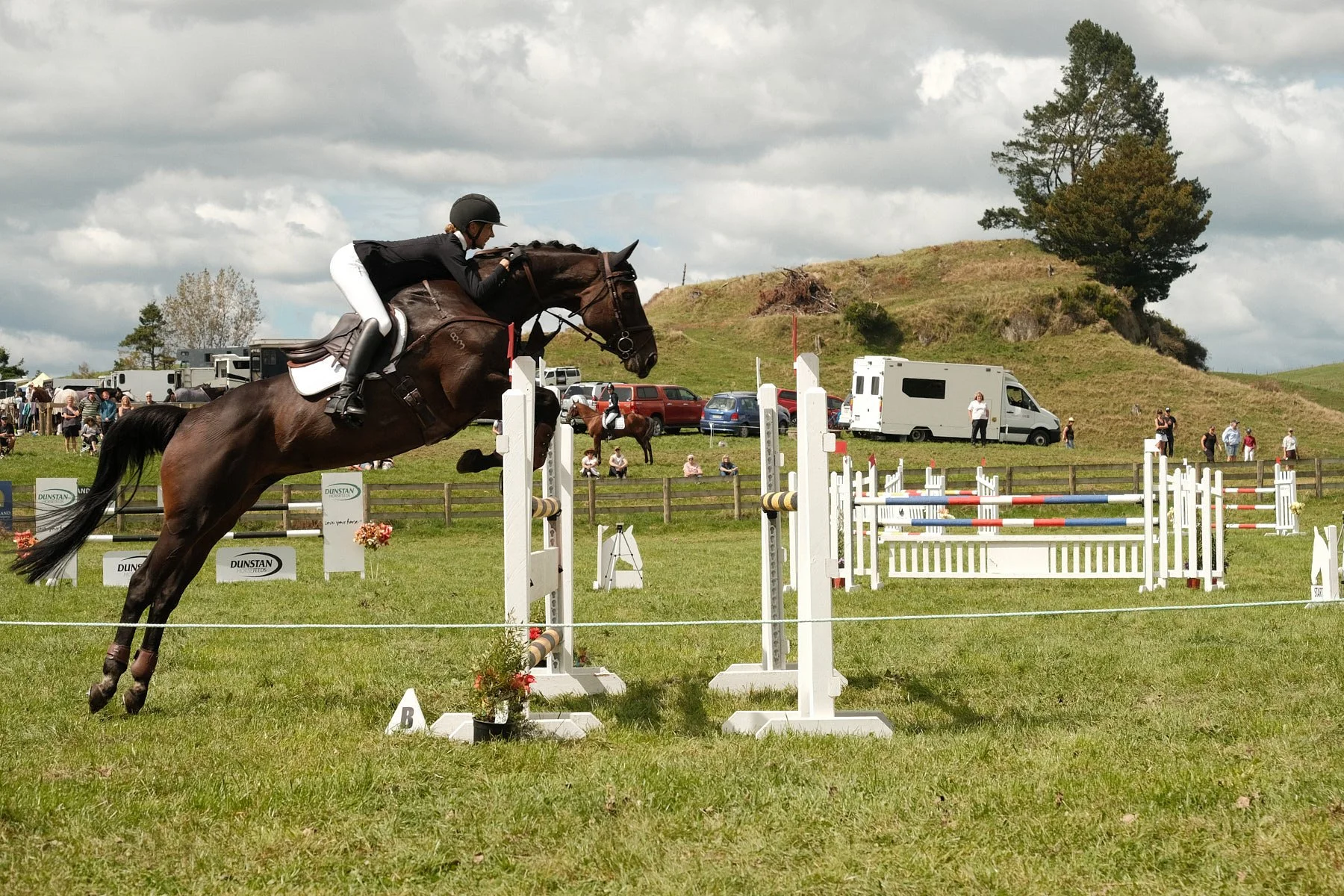
My inexperience was obvious at the cross country event. Riders guided their horses over a 3-4km course winding across the farm where the event was held. There are a multiple jumps and a couple of water obstacles. I got talking to a couple of professional photographers as we stood around the main obstacle of the cross country, a water obstacle. It was fantastic to hear about their experience as photographers and watch them in action. We were shooting riders traverse the water obstacle and while we stood near each other, it was clear that we were all focusing on different aspects of the obstacle.
Looking at Julia and Christine’s work after the event showed that they lived at the tail end of their zoom lenses, around the 150-200mm range. I however rested at the 50-100mm range. This meant that I captured the scene like a street photographer, recording the environment to provide context of what was happening, where it was happening and who was in it. The professionals on the other hand got close to the riders, enabling them to capture the union between the riders and their beloved horses.
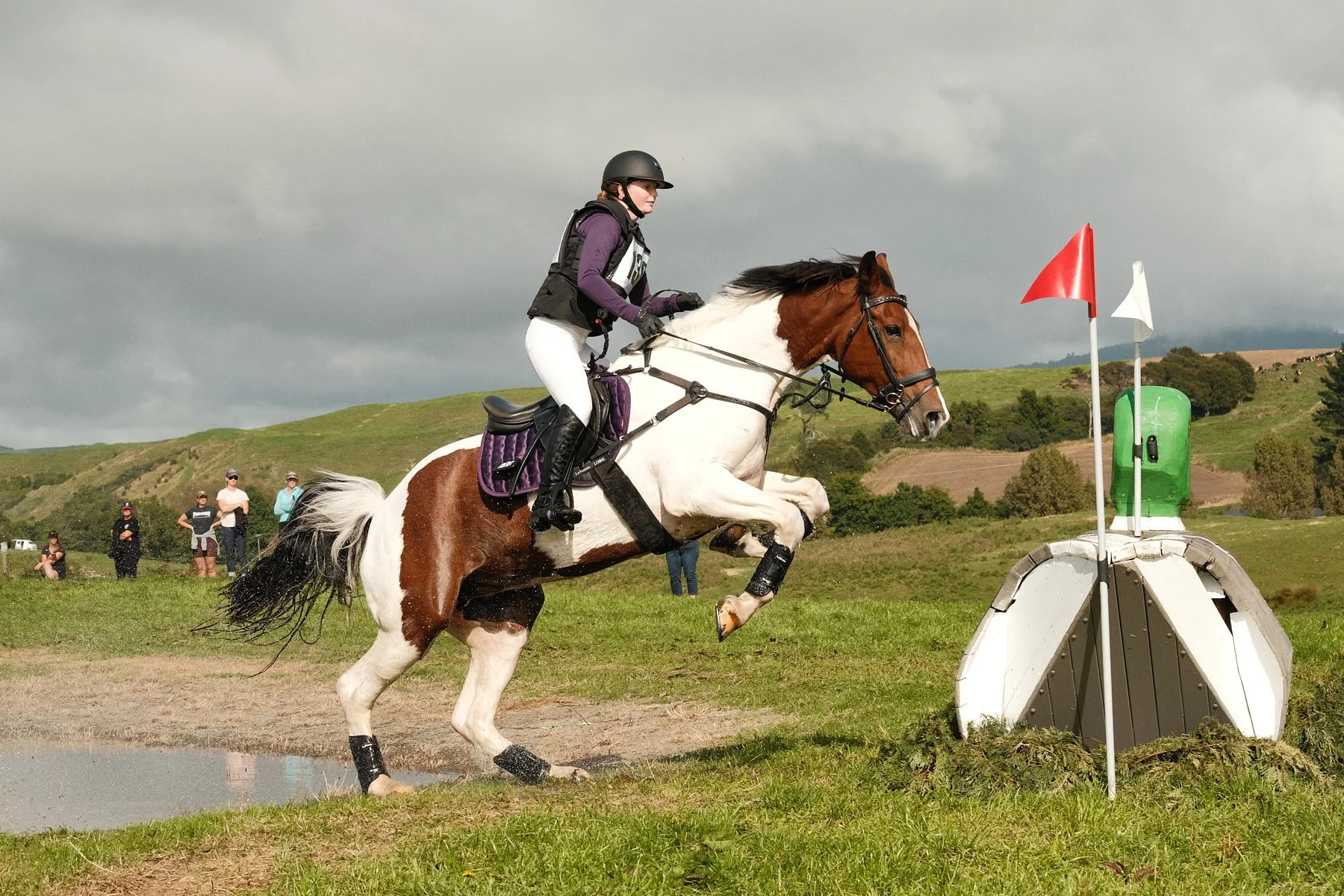
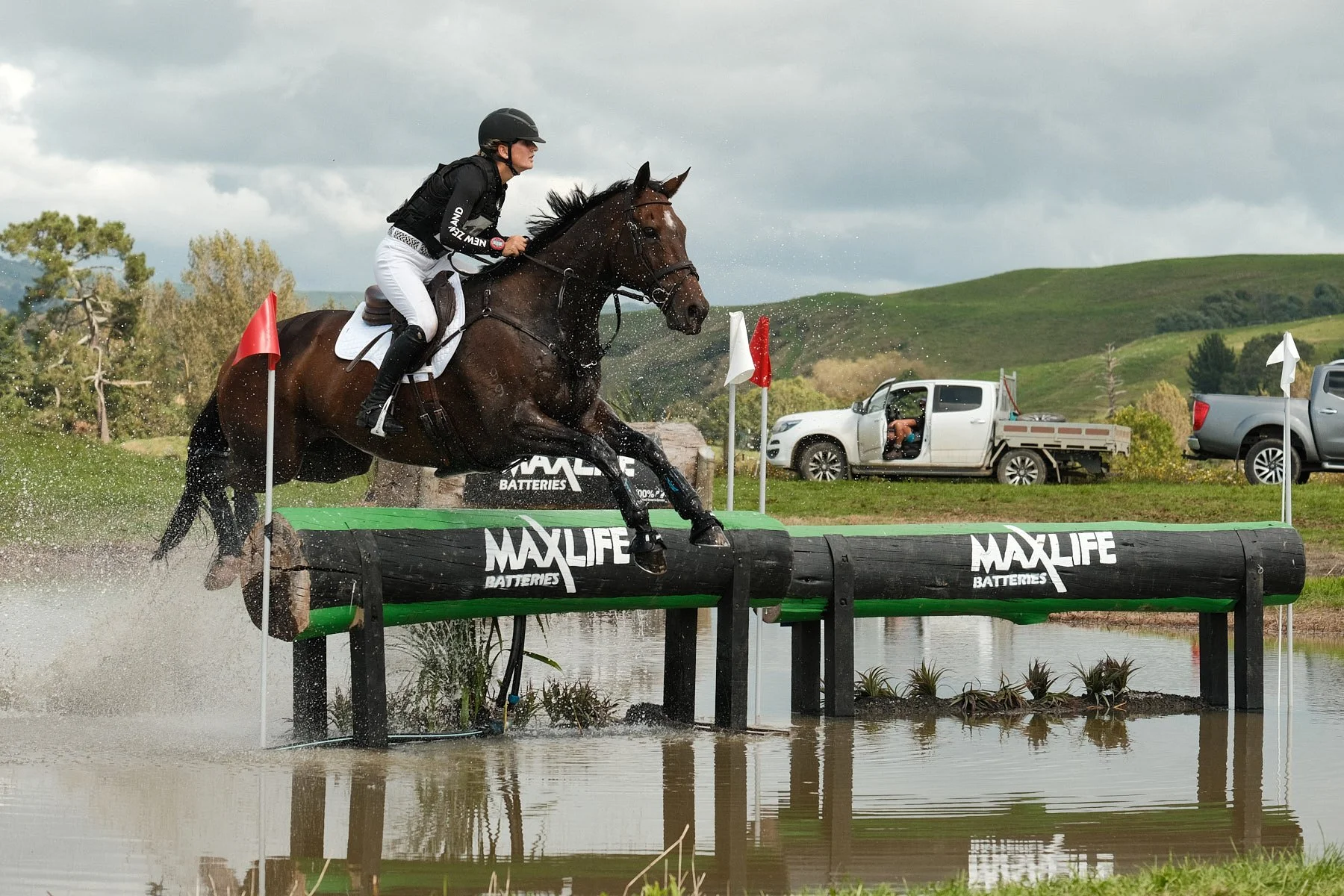


Which approach is better? A photograph showing the scene to explain what is happening or a more portrait like approach? I think the answer lies at who the photograph is for. The professional event photographers were capturing photos for the riders. It is the riders who view their work and purchase they images. The riders want to see themselves and their horses in action. They know where they are, they know what they are doing. The photographs they purchase do not need to tell the story of the environment. However, what they want is a record of them and their horse in action. In a sense, it is an “action” portrait.
My approach was more akin to street photography, bordering on a documentation of the event. I’m recording events as they unfold and imprint a moment in time so that I recall and savour my experience in the future. Both options are equally valid.I only wish I knew about the concept of an action portrait so that I could have attempted it. That would have added a dimension to my photography. Having said that, I really like my street style shots.

Things I learnt/realised at the event:
-
Increase my shutter speed to keep things in focus.
-
Talk to people at the event so that they can explain how things unfold (e.g what direction the riders will come from)
-
Zooming cuts out noise and provides a focus to photography.
-
Women/Girls who ride are strong and beautiful.