Handheld Digital
The act of reaching out to turn a page, dog earing a page to mark the place I stopped reading, underlining of key passages, scribbles on the page. All these things together with the tactile feel of paper and the weight of holding something still matter to me in this digital age.
If I had the chance, I would prefer to buy a book and use a hardcopy note book. I love visiting bookshops and I get a real kick from pulling out my book to read. I don’t relish pulling out my glasses at the same time to make visual sense of what is infront of me, but that is something I’m coming to terms with. Having said that, I’m full of contradictions. I use my ipad and a stylus to record my hand written digital notes. I also buy ebooks and borrow digital magazines from the local library.
When it comes to my creative passions, I like to blend both traditional and modern aspects. With photography, I use my faithful Fujifilm X-pro3 digital camera but I print my photos. With reading, I buy physical books as I also buy ebooks. With note taking, my nod to the traditional is the stylus which I use to make handwritten notes fully of cursive bad and sometimes beautiful handwriting.
I started thinking about how I blend digital and legacy elements recently as I explored the development of magazines. I recall standing on a bus in Singapore, one hand holding the hand grip hanging from the ceiling, reading a folded in half copy of The Economist magazine. On a side note, I could also sleep standing up on a bus. I had skills when I was a young student in Singapore. Precious skills learnt from the army as we all had to learn to sleep in bad conitions.
Back to the topic of digital magazines. I was reading The Aperture. I previously shunned the magazine as I found it hard to understand the highbrow language and terms used to talk about the art of photography. I also did not appreciate the type of photography featured in the magazine. 20 years back, I only knew of landscape photography as the only type of photography beside family photos. Aperture had featured very little in the way of standard landscape photography. Fast forward 20 or more years, I understand that photography topics is wide ranging and I’ve got so much to learn.
While the physical magazine is a joy to behold and smell, yes, the scent of a book and a magazine sends beautiful shivers down my spine, digital magazines gives me a way to interact in a way that I could not in the past. I am able to copy interesting passages from the magazine directly to my digital notebook. I’m also able to zoom into the image to look at it closer. I can also easily switch to a browser to research the photographer or google something I just read. More importantly. I’m able to turn on a focus mode which places focus on the text rather than the images. This mode allows me to direct my attention to topic on hand and not get distracted by images. The images are still there in focus mode and I still get to swithc back to magazine mode to see the layout as intended by the creative team. Sacrificing the tactile experience, I get to enjoy the beauty of a good magazine layout, view the work of amazing photographers and focus on good journalism.
Here is a short video of how it flows.
All of this needs to lead somewhere right? It maybe tenuous, but an article about Nick Waplington shone a light on the image making that I’ve been doing recently.
“Waplington’s work might best be served not by the ideas of social documentary photography—as a means of raising awareness or a tool for social change—but by the idea of “history from below.” Developed by the British historian E. P. Thompson and typified in his book The Making of the English Working Class (1963), history from below rejects the focus on “the great and the good” of traditional political history in favor of the study of ordinary people and everyday life.”
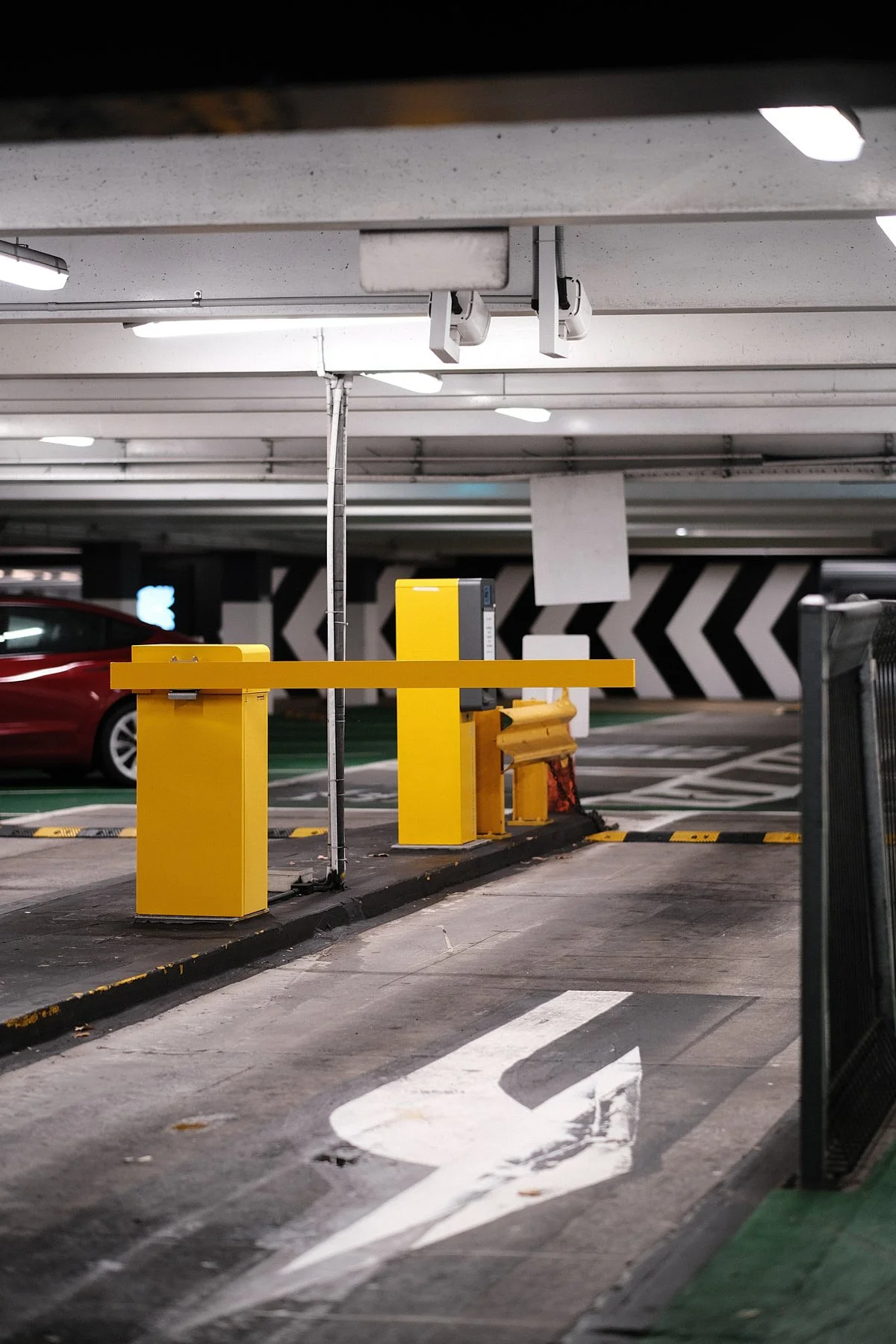
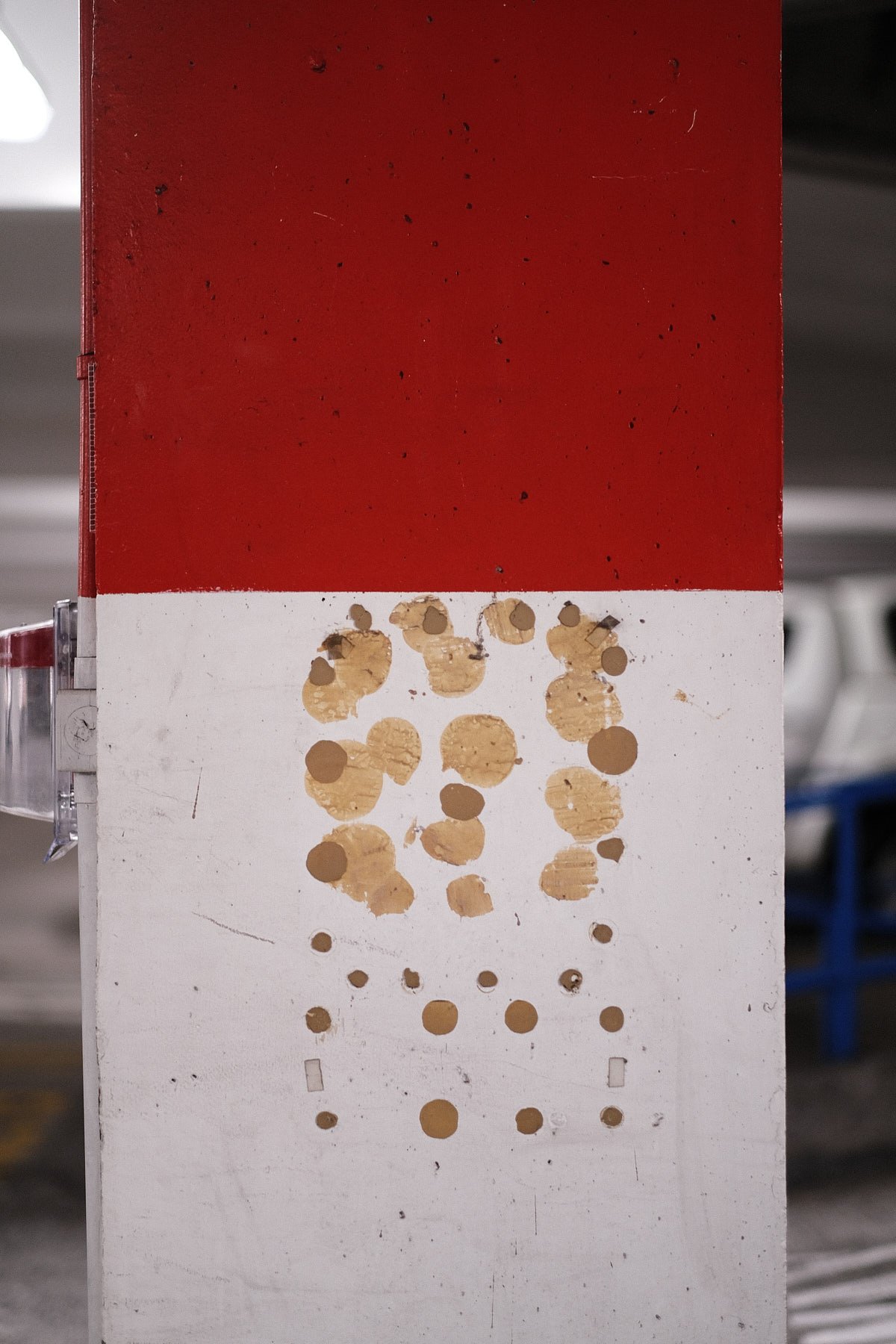
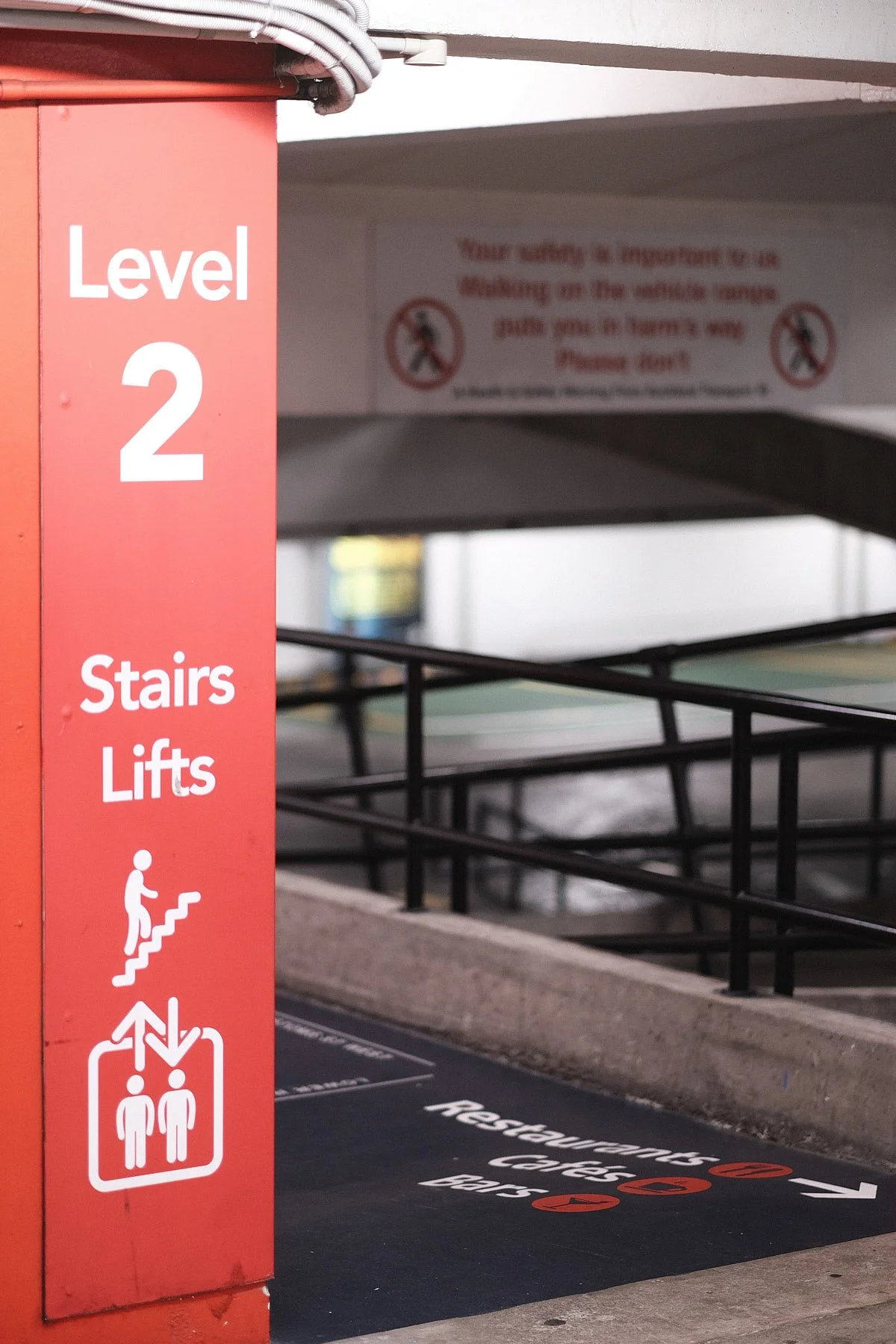
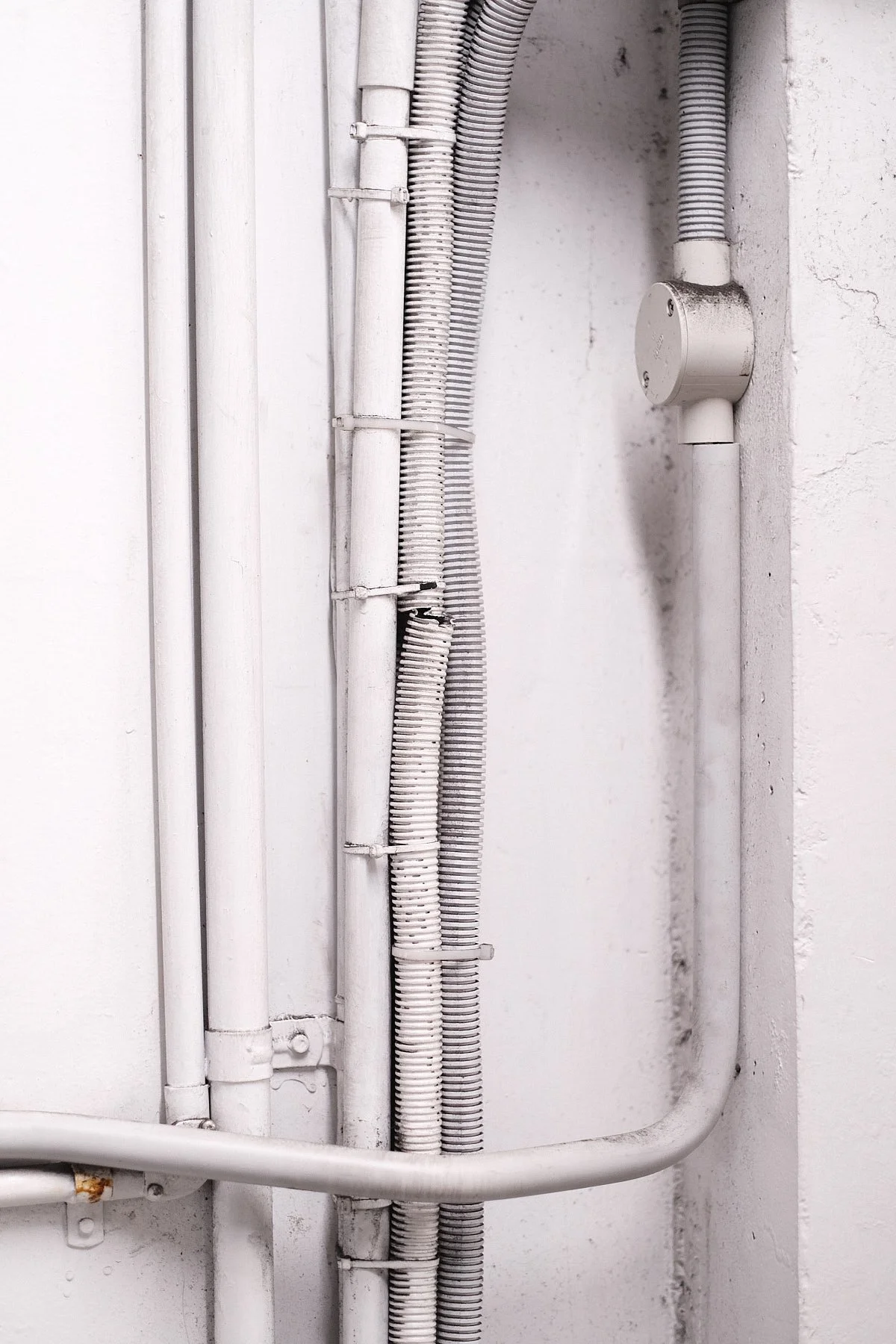
My images are not documentary like the sort a Steve McCurry does. They do not have story to tell. But they record an instance. They memorise a sliver of time. Maybe, in years to come, they can help fill the gaps in a history that I myself with desperately try to fill and recall.